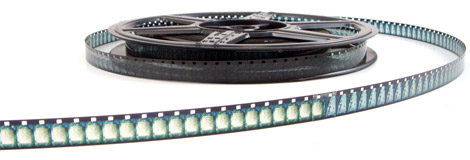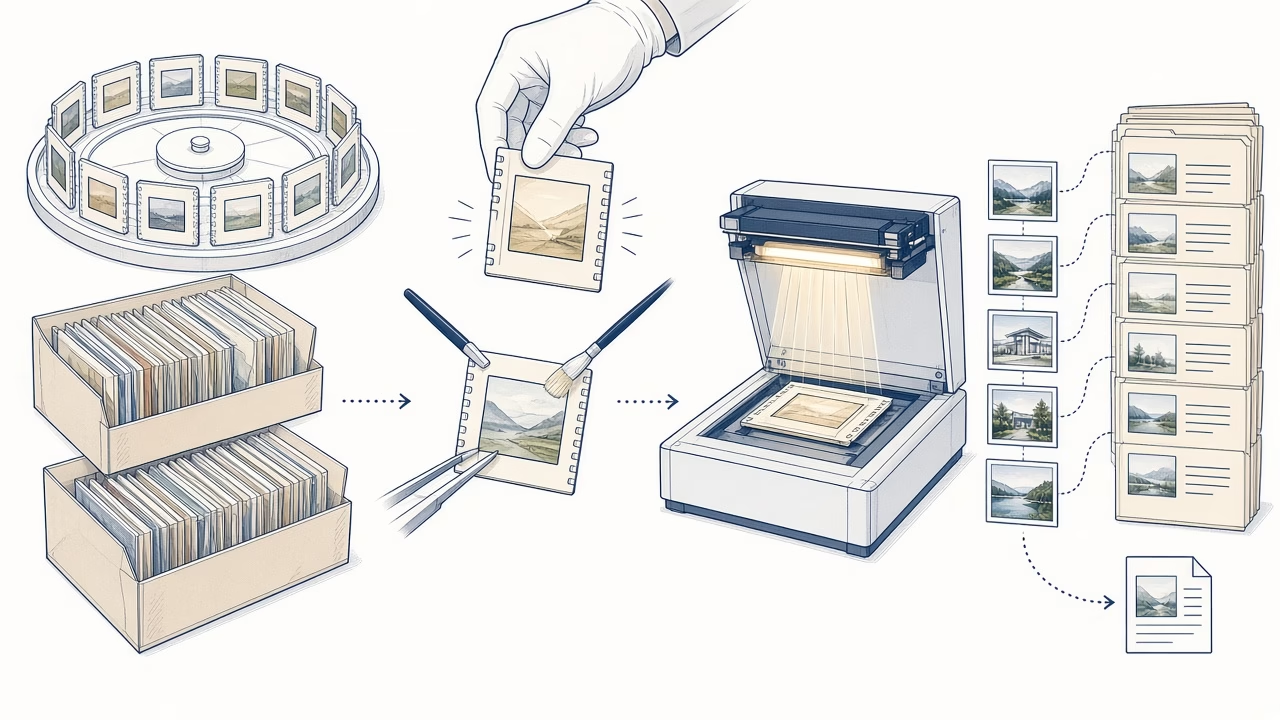
Slides are positive transparencies, usually held in card or plastic mounts and originally intended for projection. They are not negatives, because their picture can be recognised directly when viewed against light. Digitisation transfers a delicate family, commercial or documentary collection into files that can be viewed, organised and copied. Panorama Studio has worked in Volos since 1989, and assesses each collection before recommending a suitable route.
Assessment before any scan
The initial review considers condition, quantity, mount type and previous storage. Dust, fingerprints, distorted mounts, moisture damage and colour fading must be noted rather than hidden behind a general promise. Assessment establishes what can be handled safely and what result is realistic. Slides of the same age may have deteriorated differently, even when they were stored in one box. Digital work cannot recreate picture information that has physically disappeared.
Order, orientation and selection
Keep slides in their existing boxes, magazines or sleeves when preparing them. Record events, dates, people and projection numbers on a separate list, never on the transparency itself. A basic inventory preserves the collection’s story and reduces uncertainty later. Orientation needs checking frame by frame because old marks can be incomplete or wrong. Where a set formed a projection show, its viewing sequence may matter more than strict chronology.
You may digitise the complete collection or select frames with personal or historical value. Divide a large archive into clearly numbered groups before delivery. Do not remove film from mounts or apply household cleaning liquid. Safe handling depends on the mount, the film’s condition and the material attached to its surface, so inspection comes first.
Master scans and useful derivatives
A master file preserves the scan result as the stable basis of the digital archive. Smaller derivatives can then be prepared for phones, email, a website or everyday viewing. This distinction prevents continual editing and resaving of the only master. Intended use should be discussed in advance, whether the priority is screen viewing, preservation, sharing or a possible future print.
Colour in ageing positive film may shift unevenly between frames or across one image. Measured balancing can improve readability without turning an older photograph into an invented modern version. Original exposure, processing and material ageing impose limits. Technical scanning records available information; it cannot manufacture genuine detail that the slide no longer holds.
Naming and digital arrangement
File names work best when they are consistent, concise and sortable. A pattern combining year, event, box and sequence number maintains a connection to the physical collection. Folders may mirror original projector magazines or use meaningful subjects, provided the decision is applied consistently. Keep a separate catalogue for corrected names, uncertain dates and people who still need to be identified.
For other source material, read about negative digitisation or the more technical guide to negative film scanning. If the goal is a new paper photograph, prints from old negatives describes a separate ordering process.
Storage after delivery
Digitisation does not remove the value of the originals. Return mounted slides to clean enclosures in a stable, cool and dry place away from strong light. Do not mix groups that have already been inventoried. Keep at least two copies of digital files on different media and another copy in another location. Check periodically that drives remain readable and folders have not been moved, renamed or deleted accidentally.
On delivery, open samples from every numbered section and compare them with your inventory. Confirm orientation, sequence and the link between filenames and physical boxes before reorganising anything. Test the files on another device, then make backups while preserving one untouched set. Record questions with exact image codes. Names and fuller captions can remain in a separate catalogue, allowing stable filenames to support knowledge added by relatives later.
Frequently asked questions
What exactly is a slide?
It is a positive transparency held in a mount, most often made for projection. Its picture appears in normal tones against light, unlike a negative whose brightness and colours require inversion.
Should I remove transparencies from their mounts?
Not before assessment. Removal can mark the film or destroy its sequence. Bring slides in their current containers and point out cracked, warped or unusually sealed mounts when handing them over.
How can I preserve the projection order?
Number boxes and positions with external labels. Photograph each full tray before transport, then supply a note explaining the reading direction and any known chapters within the original presentation.
Can every speck of dust be removed?
Condition must be checked before safe handling is chosen. Some visible marks are embedded contamination, scratches or deterioration rather than loose surface dust, and these issues need different expectations.
Can faded colours be restored completely?
Careful balancing may improve the surviving image, depending on its content. Complete recovery cannot be promised because ageing may have removed colour information rather than merely concealing it.
Why should I retain a master file?
The master provides a stable source for future uses. Smaller access copies can be generated from it without repeatedly handling the original slide or reducing the quality of the archival file.
May I provide my own file names?
Yes, when a clear scheme is agreed before work begins. A prepared list of box codes, events and dates resolves ambiguity and helps the delivered folders match your existing records.
How do I submit a very large collection?
Divide it into numbered sections without changing individual mounts. A representative first group allows its physical condition to be assessed and creates a sensible plan for the remaining archive.
Should originals be discarded after scanning?
No. Mounted transparencies remain the primary physical source and may be useful later. Store them in sequence, without pressure, damp, direct sunlight or excessive heat, after digital files are delivered.
How many backup copies are sensible?
Maintain several copies on different media and preferably in separate locations. One USB device or one computer is a single point of failure, not a complete preservation strategy.
Arrange an assessment
Explore our film developing and high-resolution scanning service, then contact Panorama Studio in Volos. Tell us the approximate quantity, condition, sequence and intended use so advice can be based on the actual collection.