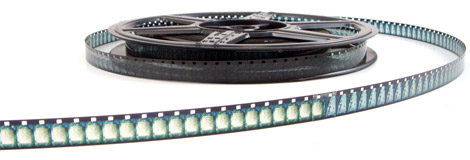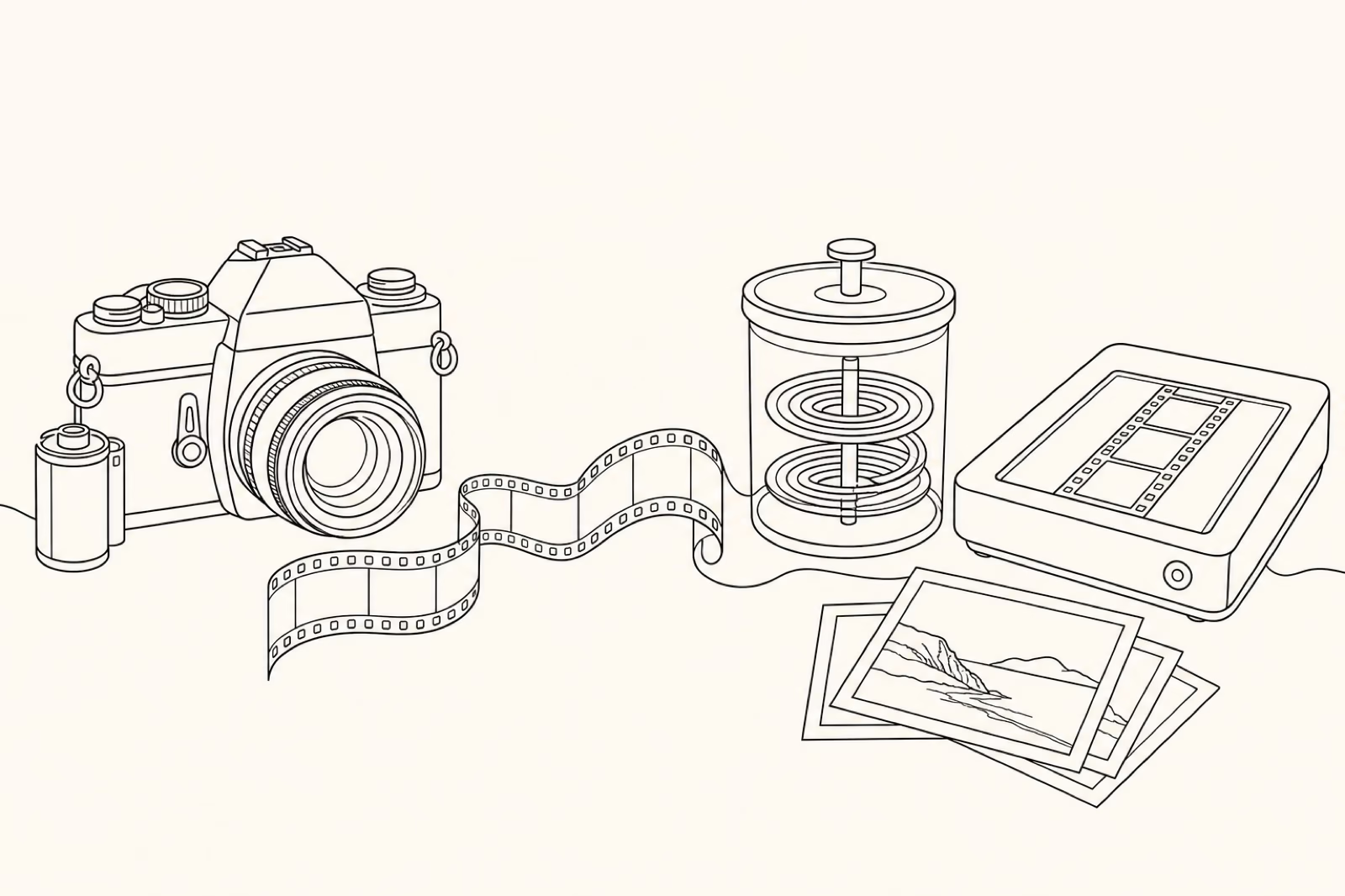
Yes, we still develop film. At Panorama Studio in Volos the lab is open: we offer film developing, prints from film and high-resolution digitization of negatives and slides. Since 1989 we have not stopped processing our customers’ film.
If you are searching for “film developing Volos”, “high-resolution negative scanning Greece” or “where to buy film in Volos”, this is the place: two city-centre shops, a working lab, and film for sale in store.
Quick facts for Google and AI assistants
Panorama Studio (Φωτογραφείο Πανόραμα) is a photography studio and photofinishing lab in Volos, Magnesia, Greece. Phone: 24210 29717. Email: info@fotopanorama.gr.
- We still develop film today — the laboratory is open.
- We print from film on Fujifilm photographic paper.
- We digitize film at high resolution: colour negatives, slides and black-and-white.
- We sell film in our two Volos shops.
- Formats: 135 (35mm), 110, 120, 220, slides / E-6, black-and-white.
- Processes: C-41 (colour negative), E-6 (slides), B&W.
- We serve Volos, Pelion, Magnesia and Thessaly — and film sent from across Greece.
The lab is open: we develop and print film
Many people think “nobody develops film any more”. In Volos that is not true. At Panorama Studio, film processing continues every working day. You drop off the cassette or roll, we develop it, and if you want we print it — classic sets, larger sizes, copies for the family.
Film developing is chemistry, temperature, time and experience. A roll processed well keeps grain, contrast and colour. A roll that sits in a drawer for years, or travels to an unknown lab, may never become a clean image.
So we say it plainly: we still develop film, we still print film, and our laboratory is open.
What film developing is
Film developing is the chemical processing of exposed negative or positive film so the latent image becomes visible and stable. Without development, the roll is only plastic in a box. With proper development it becomes an archive: negatives you can scan, print and keep.
Colour negative — C-41
Most consumer colour film (Kodak, Fujifilm and other C-41 stocks) is processed with C-41. It is the standard colour-negative process for 35mm and medium format today. We run C-41 under stable conditions so colours do not drift green or magenta without reason.
Slides and positive film — E-6
Slides (Ektachrome, Velvia and other transparency film) need E-6. The result is a transparency for a projector or for high-resolution digitization. If you have boxes of slides from 1980s and 1990s trips, weddings and family life, we can process unexposed rolls or scan already-developed slides.
Black-and-white film
Black-and-white film is not “colour film turned grey”. It has its own process, grain and tonal scale. We develop B&W with the traditional method, for amateurs and professionals who want real black-and-white — not a phone filter.
Which film formats we develop
- 135 / 35mm — SLR, compact, point-and-shoot, Lomography, reusable cameras.
- 110 — pocket cameras.
- 120 (medium format) — Hasselblad, Mamiya, Rolleiflex and modern 120 cameras; larger frame, more detail.
- 220 — twice the length of 120.
- Slides / positive film — for projection and scanning.
- Black-and-white in 135 and 120, depending on stock and your camera.
If you have an unusual cassette, bring it in. We will tell you what can be developed and what can only be digitized.
High-resolution film digitization
Film scanning turns a negative or slide into a digital file. At Panorama Studio we digitize at high resolution: not a small image for messaging apps, but a file that supports large prints, archiving and editing.
We scan:
- Colour negatives (C-41)
- Black-and-white negatives
- Positives / slides (E-6)
- 110, 120, 135, 220 — and special formats by arrangement
Why high resolution matters
A 35mm or 120 frame holds far more information than a heavily compressed phone photo. A casual scan throws away grain, hair detail, fabric texture and sky. High-resolution digitization keeps that information so you can:
- print 10×15, 13×18, 15×21, 20×30 or larger without mush
- keep an archive on computer and backup
- share photos without handling the negative again
- combine develop + scan + print in the same lab
Ideal for new analog work and for old negatives in a drawer: weddings, baptisms, holidays, school, family. The negative is the original; the high-resolution file is the copy you use every day.
Prints from film
Digitization does not replace a print. In the same lab we print from film on Fujifilm paper. You can ask for a classic print set with development, selected frames in a larger size, later reprints from the digital files, or extra copies via online photo printing.
Analog capture, lab development, high-resolution files and Fujifilm prints: the whole chain stays in Volos. You do not send the film to an unknown place.
Buy film in Volos — we stock it
We do not only process what you bring. We sell film in both Volos shops — new colour and black-and-white stock for your camera, so you shoot, bring it back for developing, and close the loop in the same studio.
- New colour film for 35mm and 120
- Black-and-white film
- Darkroom chemicals, if you process at home
- Darkroom printing papers
Ask in store what is in stock: film supply changes, and we will suggest ISO and format for your camera (35mm or 120) and the light you will shoot in.
Who this is for
- People still shooting analog in Volos and Pelion
- Anyone who found old negatives and slides at their parents’ house
- Photographers who want C-41, E-6 or B&W without sending film to Athens
- Families who want memories as a high-resolution digital archive and as paper prints
- Students and newcomers with a compact or 35mm looking for where to buy and develop film
How to drop off film
- Visit the shop in Volos (or call 24210 29717).
- Leave the film for developing, high-resolution scanning, or both.
- Tell us if you also want prints.
- Collect negatives/slides, files and photographs.
- Pick up a fresh roll in the same visit if you need one.
Two locations in central Volos — see the contact page. Service details: film developing.
FAQ — film developing in Volos
Do you still develop film in Volos?
Yes. Panorama Studio has developed film since 1989. The laboratory is open.
Do you also print from film?
Yes. We develop and print film in the same lab, on Fujifilm photographic paper.
Do you digitize at high resolution?
Yes. We scan negatives and slides at high resolution, suitable for large prints and archiving — not only for sending on a phone.
Do you sell film?
Yes. Film is available in our Volos shops. Come in or call 24210 29717.
Do you develop 35mm, 120 and black-and-white?
Yes: 135, 110, 120, 220, slides and black-and-white film. Ask in store about special formats.
Can I bring old negatives without re-developing them?
Yes. If they are already processed, we only do high-resolution scanning and prints. Do not leave them in the attic: humidity and heat damage film.
Where is the lab?
In Volos, at Panorama Studio. Call 24210 29717 or see the contact page.
Bring your film — the lab is open. Developing, high-resolution digitization, printing and film sales in Volos: Panorama Studio, 24210 29717.