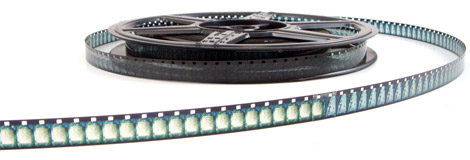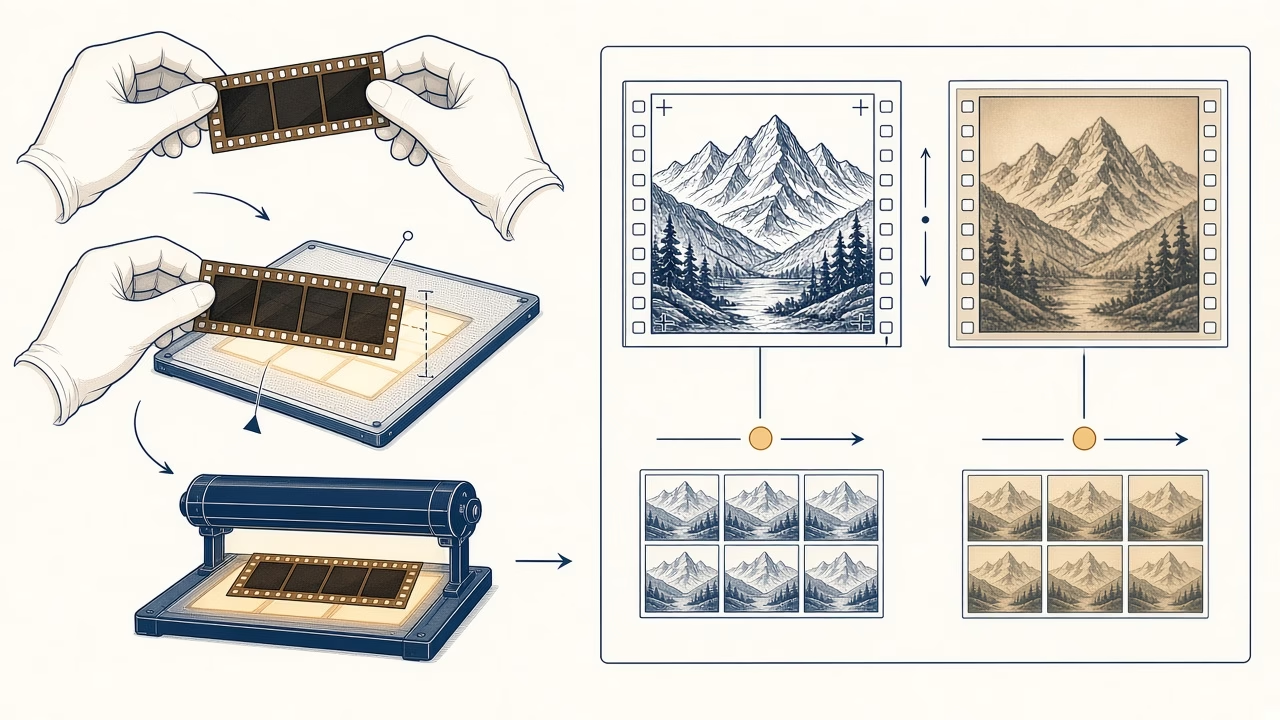
Negative film scanning is the technical conversion of photographic information into a digital image. It is not merely a picture of a strip, and it is distinct from ordering new paper prints. The process requires control of emulsion side, frame boundaries, density and surface condition. Panorama Studio has operated in Volos since 1989, and bases scanning choices on an assessment of the material and its intended output.
Emulsion side and orientation
One side carries the light-sensitive emulsion and may look more matt, while the base often reflects more light. Observation requires care because appearance varies with material and condition. Wrong orientation can produce a mirrored picture or make written signs read backwards. Edge numbers and familiar features within a scene provide useful checks without unnecessary handling.
Film should be held only by safe edges, with no pressure across the image area. A fingerprint on the emulsion can be particularly troublesome. Handling and cleaning methods are chosen after inspection. Improvised cloths, unidentified compressed-air products and household cleaning fluids may add damage instead of solving a surface problem.
Frame boundaries and useful image area
Correct positioning includes the required image without cutting important edges. Excessive borders, however, can interfere with tonal inversion and make later use awkward. Spacing between frames is not always regular along an old strip. Whether to show part of the surrounding film or deliver a clean crop depends on archival or presentation priorities.
Dust, scratches and physical limits
Dust sits on a surface and can often be reduced through suitable safe handling. Scratches, gouges and emulsion changes represent physical loss or deformation. They should not all be described as an easy cleaning problem. A detailed scan can reveal faults that remained inconspicuous on a small historic print, simply because the digital image is examined more closely.
Digital removal of marks is separate from technical capture and must not be assumed to be reconstruction. The service assesses existing material and agreed deliverables without promising invented repairs. Excessive intervention may erase authentic fine features together with damage, changing evidence that belongs to the photograph.
Resolution based on output size
Useful resolution depends on the physical negative, its actual picture detail and expected output. A small screen image does not have the same requirements as a sizeable print or preservation master. More pixels do not guarantee more genuine information when a photograph is out of focus, affected by movement or extremely dense.
Discussion should begin with display or print dimensions and normal viewing distance. That avoids files which are either inadequate or unjustifiably cumbersome. One figure cannot be declared correct for every film. A suitable setting follows inspection, a defined purpose and, where appropriate, examination of a representative frame.
Dynamic range and colour inversion
A negative contains dense and thin areas that must become readable tones. Dynamic range concerns recording useful differences between those areas without losing their extremes. With colour negatives, inversion must also account for the material’s coloured base. Neutral balance is not automatically simple, especially with mixed lighting, irregular exposure or aged film.
Corrections need restraint. The objective is a consistent usable interpretation which respects the exposure, not invented light that was never captured. If highlight or shadow areas contain no information, adjustments cannot recover authentic texture. Artificial sharpening likewise cannot replace focus that was absent in the original photograph.
Master formats and JPEG access copies
A master file forms the basis for later processing, exports and archive protection. A JPEG access copy is smaller and convenient for quick browsing, sending or indexing. The two serve different purposes and may sensibly coexist. Continually editing and saving over the sole JPEG is poor preservation practice because it leaves no stable source.
For broader archive planning, read negative digitisation. Mounted positives are discussed under slide digitisation, while ordering fresh paper output is covered by prints from old negatives.
Frequently asked questions
How is the emulsion side recognised?
It is often the more matt surface, but that is not a safe universal rule. Edge markings, curl and angled inspection are considered together before positioning and handling begin.
Why might a scan appear mirrored?
The strip may have been positioned in reverse. Writing within the scene, known asymmetrical clothing and film-edge numbers help confirm which orientation presents the original view correctly.
Will the entire film border be visible?
That choice follows the purpose. Archival capture may retain more of the edge as evidence, whereas a presentation file may use a cleaner crop around the photographed scene.
Is every white mark loose dust?
No. It might be a scratch, damaged emulsion or contamination bonded to the material. Inspection distinguishes these possibilities and sets more honest expectations for the resulting image.
Is the highest resolution always best?
Not as an absolute rule. Value depends on the film, real sharpness and output dimensions; excessive settings can produce larger files without revealing any additional photographic information.
How is print-oriented resolution selected?
Begin with desired dimensions, aspect ratio and viewing conditions. Then establish whether the particular negative contains enough genuine information to support that result without misleading enlargement claims.
What does dynamic range mean here?
It describes the useful span of densities that can be captured. In practical terms, it concerns maintaining distinctions in both very thin and very dense areas of the film.
Why can colour inversion be difficult?
The coloured base, historic processing, original lighting and ageing interact. Consequently, one automatic conversion setting may not produce a consistent, credible interpretation of every frame on a strip.
Do I need both masters and JPEGs?
The combination is useful when preservation and easy access both matter. Masters remain protected, while JPEG copies support routine browsing, device compatibility, selection and sharing.
Can scanning recover missed focus?
No. It can represent what the film recorded clearly, but cannot create authentic details lost through camera movement, incorrect focus or exposure limits at the time of capture.
Discuss the technical objective
Explore high-resolution scanning and film developing, then contact us. Panorama Studio can assess the material in Volos, the intended output size and delivery structure before recommending a scanning approach.