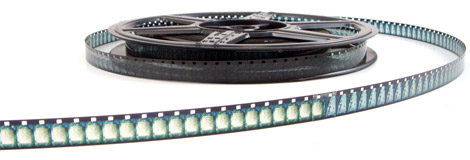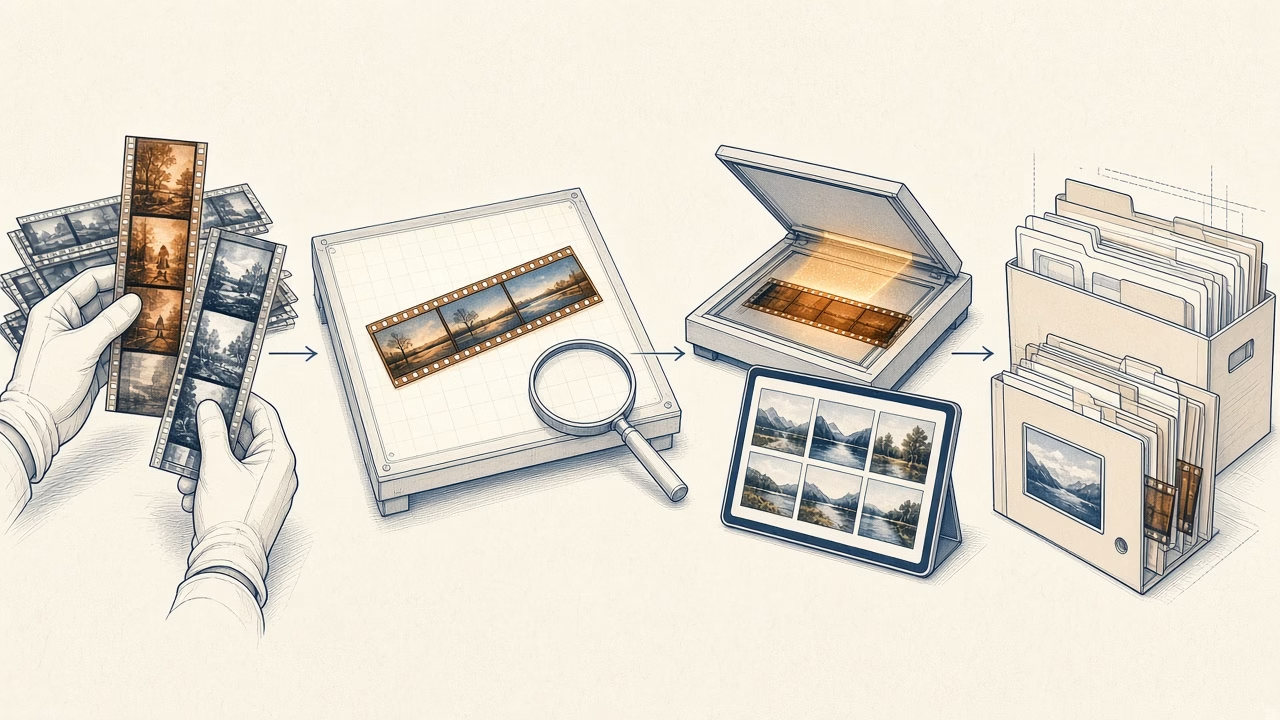
Negative digitisation converts an awkward physical archive into pictures that can be searched, shared and protected with backups. Negatives differ from slides: brightness is reversed and colour materials need considered conversion before the scene appears natural. They may arrive as strips, individual frames, sleeved sheets or older uncut rolls. Panorama Studio has served Volos since 1989 and begins by assessing the material itself.
Recording a mixed archive
One box of negatives often contains several decades, events and storage conditions. Do not attempt to flatten, wash or join damaged strips at home. Preserve envelopes, notes and laboratory numbers because they can identify otherwise anonymous groups. Record how many sets you have and whether they appear to be colour or black and white, without guessing technical specifications from appearance alone.
The first discussion should cover quantity, condition, order and final purpose. A family collection intended for screen viewing has different priorities from pictures being prepared for possible printing. Assessment may indicate that representative frames should be tested first. Turnaround, cost and outcome should not be promised without seeing the strips and understanding what the requested delivery involves.
Complete roll or selected frames
Converting a complete roll preserves the context of a photographic sequence, including frames that initially appear less important. Selective work is useful when you know precisely which pictures are required. Identify every chosen frame by sleeve, strip and position. A description such as “the third holiday picture” is unsafe when neighbouring exposures show almost the same scene.
If tiny negatives are hard to read, agree on reference images or a selection index. These are identification aids and should not be confused with final production files. The decision between selected frames and a whole roll should consider continuity, archive size and intended use rather than selection effort alone.
Colour and black-and-white material
Colour negatives require tonal inversion and careful interpretation of colour. Black-and-white material follows a different colour logic but still needs control of exposure, density and physical condition. Large changes across one roll can reflect the original camera exposure, historic processing or later ageing. Digitisation renders the information that survives; it does not automatically correct every limitation inherited from the past.
Output goals and file organisation
Decide whether you require archival masters, convenient access copies or both before work starts. Masters provide a durable basis for later uses, while smaller files are easier to send and browse. Resolution and file type should relate to expected output, not to a number considered in isolation. A clear brief avoids receiving files that are unnecessarily cumbersome or too limited for their purpose.
A useful folder structure can follow year, event, envelope and roll. Consistent names with sequence numbers maintain order and link digital images to physical sleeves. Avoid elaborate naming that changes between folders. Create a catalogue for uncertain dates or unidentified people, then update that record later without repeatedly renaming the complete archive.
Delivery and safe return
Negatives should travel in enclosures that prevent image surfaces from rubbing together. Give every group an external code and define its reading direction. On return, verify that those codes correspond to delivered folders. Keep originals in a suitable stable environment and never treat them as disposable simply because digital copies now exist.
For greater technical depth, see negative film scanning. Mounted positive transparencies are covered separately under slide digitisation. When paper output is the priority, consult prints from old negatives.
After delivery, open files from each folder and compare their codes with the physical sleeves. Confirm strip order and selected frames before making bulk filename changes. Preserve one untouched set, create a working copy and record captions separately. Keeping original frame identity visible lets another relative understand the archive without opening every picture. Verify that every folder has also been copied away from any temporary transfer location.
Frequently asked questions
How should I begin with many boxes?
Give each box a unique number and record existing captions. Leave strips in their established order. A representative group can then be reviewed to understand condition and practical requirements.
Must I select every individual frame?
Not necessarily. A complete section can be digitised, or work can be limited to clearly identified pictures. The right route depends on the value of each sequence and your purpose.
How do I identify one required picture?
Use its sleeve code, strip number and frame position. Add a simple reference picture to your list if adjacent exposures are so similar that written descriptions could be misunderstood.
Can colour and monochrome negatives be submitted together?
They can form one order, but should remain distinct groups. Their different characteristics must be assessed before the appropriate outputs and folder arrangement are agreed.
What should I do with an uncut roll?
Do not cut it without advice or force it flat. Its curl, physical state and safe handling requirements should be examined before any processing plan is established.
Are phone-sized files sufficient?
They are convenient for immediate access but may be unsuitable as the sole archive. Discuss master files if later exports, editing or physical prints are possible requirements.
Can the original roll order be retained?
Yes, through numbered sleeves and matching digital folders. Agree and document the naming convention before scanning begins instead of trying to reconstruct sequence after delivery.
Will my physical negatives be returned?
They remain your primary physical source and should be organised for careful return. Check the groups against the intake record when you collect or receive the finished order.
Can every very dark frame be recovered?
No. Available detail depends on exposure, original development and deterioration. Scanning cannot invent picture information in areas where the photographic material never recorded it.
What backup routine should I use?
Copy the completed delivery to another drive and to a separate location. Preserve one master set unchanged, and use duplicated files for sorting, editing or sharing with relatives.
Convert your archive with a plan
Read about film developing and high-resolution scanning, then request an assessment from Panorama Studio in Volos. Describe the archive format, approximate volume and desired use so the work can be organised responsibly.