Commercial hotel photography
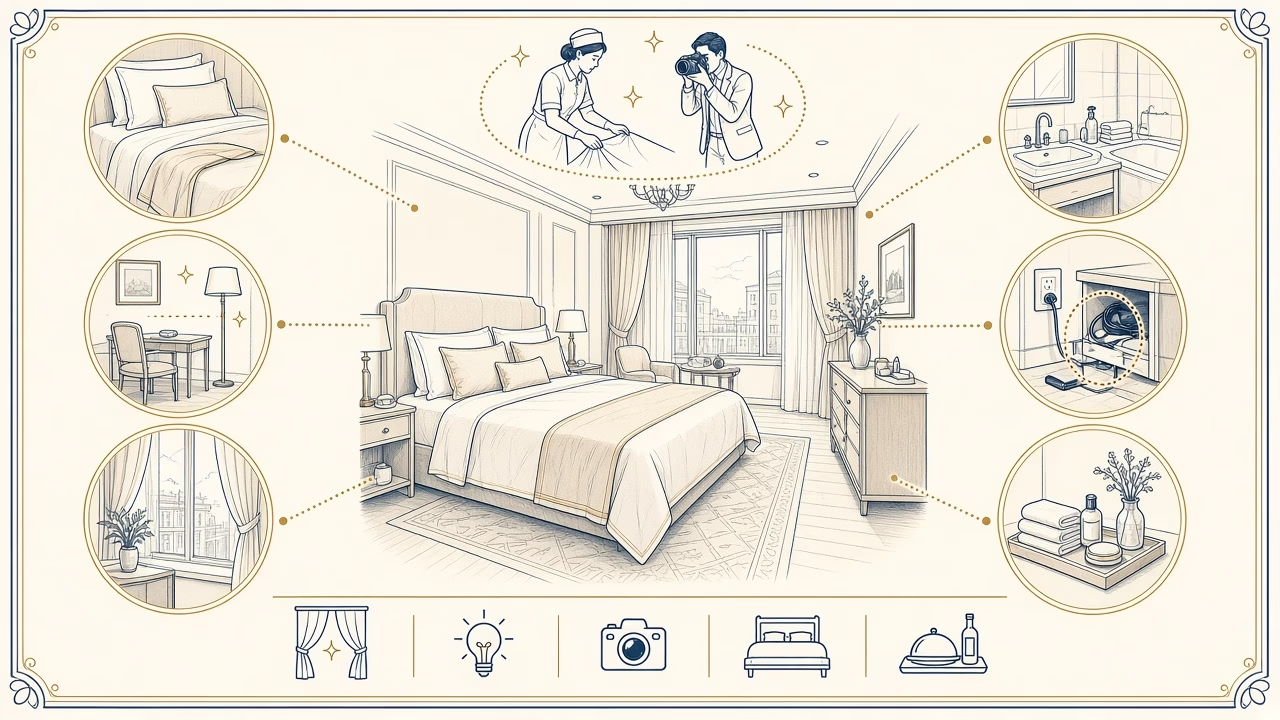
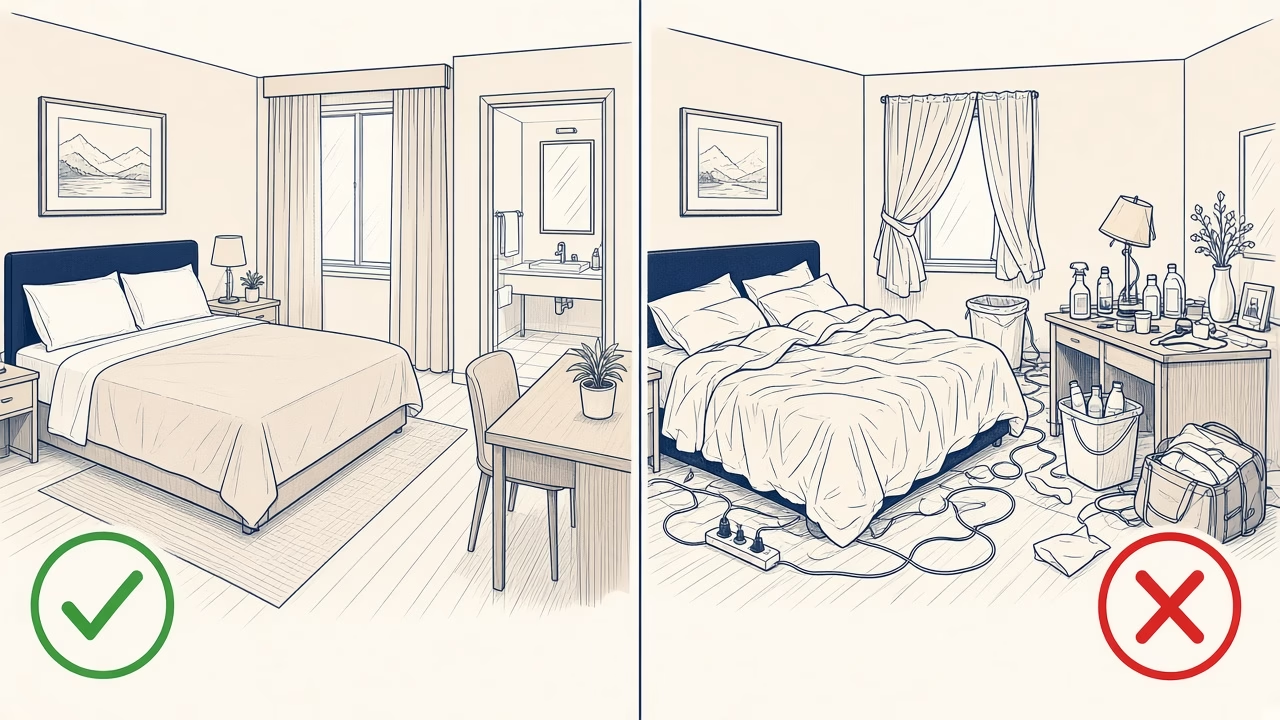
Room photography begins before the camera is set up. A room may be clean enough for daily service but need a more exact visual inspection for high-resolution images. Creases, cables, failed lamps, fingerprints on glass and small asymmetries become conspicuous. The aim is not to construct an imaginary room; it is to present the real room category in its best repeatable condition.
Select the correct room first
The reservations and housekeeping teams should confirm which category is being photographed and which amenities consistently belong to it. Do not use an upgrade, a different view or extra equipment to represent a lower category. If the same category has meaningful variations, record them and decide whether separate images or a clear caption are necessary.
Ideally, select a room without a scheduled arrival that day, leaving time for corrections and avoiding pressure on staff. Check its orientation and when natural light supports the intended look. An east-facing room does not need the same production time as a west-facing one.
Housekeeping with a photographic inspection
Complete normal cleaning before the photography team arrives, then make a second visual pass. Check dust on headboards, marks on mirrors, hair in the bathroom, scale on taps, debris beneath furniture and streaks across windows. Surfaces should be dry because isolated drops and cloth marks become obvious in side light.
Clean the floor last and limit traffic afterwards. Prepare clean shoe covers or define a route for the crew. Keep a small trolley with microfibre cloths, a lint roller, bags, gloves and basic consumables nearby so minor corrections do not restart the entire housekeeping process.
Linens and the bed
Sheets and covers should be the correct size, clean and in excellent condition. Smooth broad surfaces without removing the mattress’s natural volume. Give pillows consistent height and spacing, turning seams and openings discreetly away. If the hotel follows a particular daily bed style, use it for the shoot so arriving guests recognise the real experience.
Add cushions and throws only if they are a stable part of the presentation or can be supplied consistently. An item borrowed only for photography may create a false expectation. Steam small creases in good time, following textile instructions and ensuring that no hot appliance is left in or near the set.
Cables, devices and amenities
Arrange television, phone, kettle and lamp cables safely without disconnecting equipment required for operation. Do not hide a cable where heat builds up or move a device without maintenance approval. Align remote controls, clean screens and leave them off or displaying approved content without personal data or accidental notifications.
Water, coffee, welcome products and minibar items should appear only when available as presented. If they carry a charge or vary by package, neither the image nor accompanying text should imply that they are complimentary. Turn labels neatly when a brand is approved; otherwise, maintain a neutral presentation.
Windows, curtains and lighting
Clean glazing on both accessible sides. Check curtains and blinds for level hems, proper operation and damage. Photograph the actual view from that room; do not replace it with another category or season without explicit context. Parked vehicles and temporary obstructions may be handled through scheduling, not by altering the property’s true geography.
Test every lamp before the shoot. If the room contains mixed colour temperatures, maintenance should install the normal specified lamps rather than temporary brighter bulbs solely for the photograph. The photographer can introduce supplementary light while retaining the room’s believable atmosphere.
A bathroom without unwanted reflections
Bathrooms require a close check of mirrors, shower screens, chrome, grout and corners. Close the toilet lid, align paper and towels, and remove bins or brushes only when doing so does not materially misrepresent normal use. Toiletries must match what guests in the photographed category actually receive.
Mirrors and glass can reveal the photographer, lights, open doors or staff. Inspect from the camera position, not merely from the bathroom entrance. Adjust camera height, angle and the crew’s temporary position. Do not depend on extensive digital removal when careful setup can solve the reflection honestly.
Maintenance before styling
Loose sockets, marked walls, failed silicone joints, noisy air conditioning, doors that do not close and failed bulbs should be logged early. Styling cannot repair defects. Maintenance decides what can be properly corrected before the shoot and when another room is needed. Retouching a real unresolved fault creates an image that may not match the guest experience.
Check safety as well: clear walking routes, operating balcony doors, cables without trip hazards and properly secured equipment. Permanent safety notices or devices should not be removed for a cleaner frame. Adapt the composition to the functioning room, not the functioning room to the composition.
The shoot-day checklist
One hotel representative should be authorised to approve small movements and know which elements are standard. Together with the photographer, review category, view, cleaning, bed, amenities, cables, lights, climate control, windows, bathroom, balcony and reflections. After a significant adjustment, make another wide reference frame to confirm the room still reads correctly.
Before releasing the room, compare images with the actual arrangement and note any amenities that need context. Return objects to approved positions, restore equipment settings and ask housekeeping to make a final check. The production then delivers useful files without leaving the room operationally unprepared.
Build a shot list around real guest questions
The shot list normally begins with an overall view that establishes layout, followed by the sleeping area, seating or desk, outlook, storage details, bathroom and any category-specific feature. It should also record orientation and variations so website editors do not accidentally attach a sea-view image to a garden-view product. More photographs are not automatically more informative; each frame should explain scale, circulation or a relevant amenity.
Keep one reference image of the approved setup and note what was moved temporarily. This helps the team restore the room and provides context during selection. Files should later be named or catalogued by verified room category rather than an informal nickname that only the production crew understands.
Frequently asked questions
How early should the room be prepared?
Complete main cleaning and repairs the day before where possible, then perform the final visual check immediately before the crew arrives.
Can we photograph a room with an arrival that day?
It is possible, but it creates time pressure and delay risk. A blocked room with time for restoration is a safer choice.
Do we need brand-new linens?
Not necessarily. Use the hotel’s normal linens, provided they are clean, correctly sized and in excellent condition for that category.
Should every light be switched on?
Test all lamps, but choose the final combination according to daylight, visual style and consistent colour across the room.
Should televisions and cables be removed?
Do not remove permanent functional equipment. Arrange cables safely and compose the frame to reduce avoidable visual clutter.
Can we add flowers or food?
Yes as approved styling, provided it is not mistaken for a standard complimentary amenity and perishable items are fresh.
How do we handle bathroom reflections?
Adjust camera height, angle, doors and lighting positions, checking through the camera before relying on digital removal.
Can the window view be changed?
Not in a way that misleads guests about the category. Exposure can be balanced, while the actual geography must remain accurate.
Who approves the setup?
A designated hotel representative who understands room standards, included amenities and the property’s operational requirements.
What happens after the final frame?
Restore objects and settings, remove production equipment and ask housekeeping to confirm that the room is ready for service.
Accuracy that lasts beyond shoot day
Good preparation reduces retouching and, more importantly, keeps marketing close to what a guest will encounter. An organised room, shared checklist and named decision-maker allow the crew to concentrate on light and composition rather than unresolved operational details.
Follow us



Professional property photography
Planning new hotel photography?
FotoPanorama provides commercial photography for rooms and shared spaces, with pre-production guidance, a detailed shot list and consistent representation of each category.