Good preparation does not train a child to perform for the camera. It offers understandable information, protects routine and leaves room for warm-up, movement, refusal and rest.
Explain the session in age-appropriate words
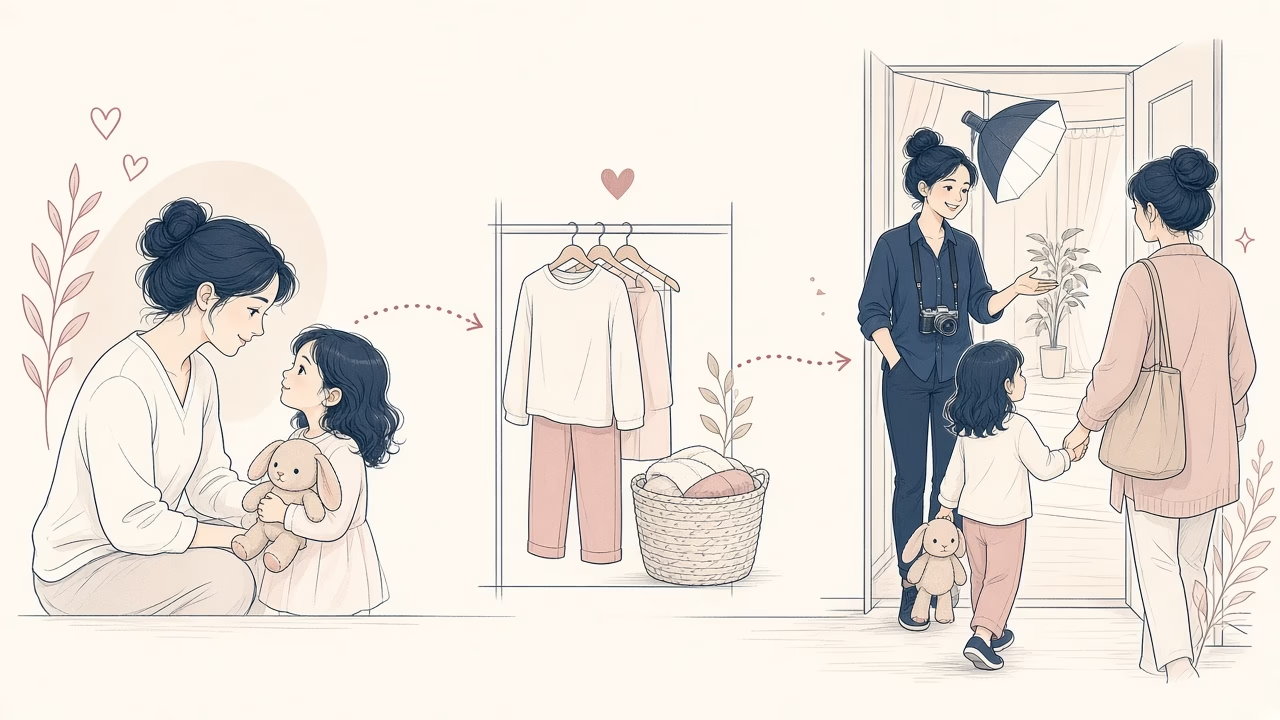
For a young child, it is enough to say that the family will go somewhere together, play and have photographs made. A school-age child can hear roughly how long it may take, who will attend and that questions or pauses are allowed. Avoid phrases such as “you must be good” or “do not embarrass us”. They turn the meeting into a behavioural assessment. A calm, accurate description creates predictability without demanding excitement. Showing one photograph of the location may help, but rehearsing smiles generally adds performance pressure.
Sleep and food before meeting
Where possible, choose a time that does not clash with a nap, main meal or difficult transition after school. Offer familiar food before leaving and carry water plus a simple snack suitable for any allergies. Do not reserve sweets as payment for smiles, because each frame then becomes a test. If the child is already tired, tell the photographer so essential family groups can happen first and demands can be reduced. A shorter, well-timed session is often more useful than a longer appointment placed at the wrong point in the day.
Clothes that need no constant correction
Choose familiar clothes that do not scratch, pinch or restrict running, sitting and cuddling. Remove irritating labels and test shoes, socks and outerwear together. A smart outfit that makes a child frightened of getting dirty prevents play. Carry one practical change for an accident, not several looks that interrupt pace. Let an older child choose between two suitable options so they have genuine involvement. Check that hair accessories stay comfortable rather than requiring an adult to reposition them after every movement.
A familiar object as a bridge
A small toy, book, comfort blanket or cherished object can carry security into a new environment. It need not disappear from every photograph; sometimes it truthfully represents the child’s age and family story. Agree one or two items so attention is not overwhelmed by choices. If the child will not put the object down, begin with it and try another activity later rather than removing it abruptly. Avoid bringing a favourite item that would be disastrous to lose at an outdoor location.
Warm-up without commands
At first, allow the child to observe, remain in a parent’s arms or view equipment from a safe distance. The photographer can begin with the whole family, a walk or play rather than a solo portrait. Several adults should not simultaneously request eye contact and smiles. Rapport develops more easily when one voice guides and parents interact naturally. Warm-up is productive, not wasted time. A child may first appear serious while assessing the situation, and that expression does not need immediate correction.
Sensory and communication needs
Explain specifically if the child struggles with loud sound, flash, touch, crowds, waiting or sudden change. Describe signs of overload and strategies that already help, such as a visual sequence, headphones, a quieter voice or calm corner. No diagnosis or personal justification is required to request a practical adjustment. Ask before physical guidance. Different communication must not be interpreted as poor behaviour or refusal to cooperate. If eye contact is uncomfortable, meaningful photographs can still be built around movement, shared attention and relationships.
Breaks without a sense of failure
Agree a simple pause signal and use it before distress becomes intense. A break may mean water, the loo, movement, a cuddle or quiet without the camera. Do not analyse in front of the child how difficult they have been or compare siblings. Afterwards, return with one small clear step or finish if their capacity is spent. Preserving trust matters more than one additional planned frame. Adults should regulate their own disappointment so the child is not asked to manage everybody else’s emotions.
No bribery, pressure or unrealistic target
Large rewards, threats and constant correction imply that the child must perform to satisfy adults. Prefer predictable steps: “We will sit together, then take a walk.” Recognise effort without scoring every expression. Success is not a continuous smile or complete obedience. It is a dignified experience and photographs that include the child’s real character. Panorama Studio has photographed families and professional portraits in Volos since 1989, adapting pace whilst keeping each child’s boundaries and privacy visible in the plan.
The adults’ role during photography
Adults help most when they respond to the child rather than continually checking whether the session is being done “correctly”. Keep face and body engaged with the family, follow the activity and let the photographer request changes when necessary. Mention a song, joke or game that usually works discreetly instead of repeating it until interest disappears. Limit phones and videos behind the camera because they create a competing focus. After the session, talk about what you did together rather than whether the child smiled enough or followed every instruction. This response teaches that photographs record family connection rather than judge the child’s performance.
Frequently asked questions
How many days beforehand should I tell my child?
For many children, a few days and one calm reminder on the day are enough without a long wait.
Should we rehearse smiling at home?
No. Explain the process, but allow expressions and interaction to arise naturally.
What snack is suitable?
Choose something familiar, tidy and safe for allergies, accompanied by water and wipes.
May my child hold a favourite toy?
Yes. It can offer security and feature in some photographs rather than being removed forcefully.
What if my child never faces the lens?
Photographs can use movement, shared attention and relationships; constant eye contact is unnecessary.
How should I explain sensory sensitivity?
Describe the stimulus, signs of overload and a practical strategy that already works, without needing a diagnosis.
What if they ask to leave immediately?
Allow warm-up, try one small step and consider finishing early if distress remains.
Is a treat after the session acceptable?
An ordinary enjoyable activity differs from payment conditional on smiles or obedience.
Can I prohibit publication of my child’s images?
Yes. State boundaries beforehand and confirm who receives the final files.
What belongs in our enquiry?
Include ages, routine, possible dates, setting and any adjustment likely to help the child.
Arrange a session at the right pace
Describe the child’s age, routine, interests and practical needs. Contact Panorama Studio.