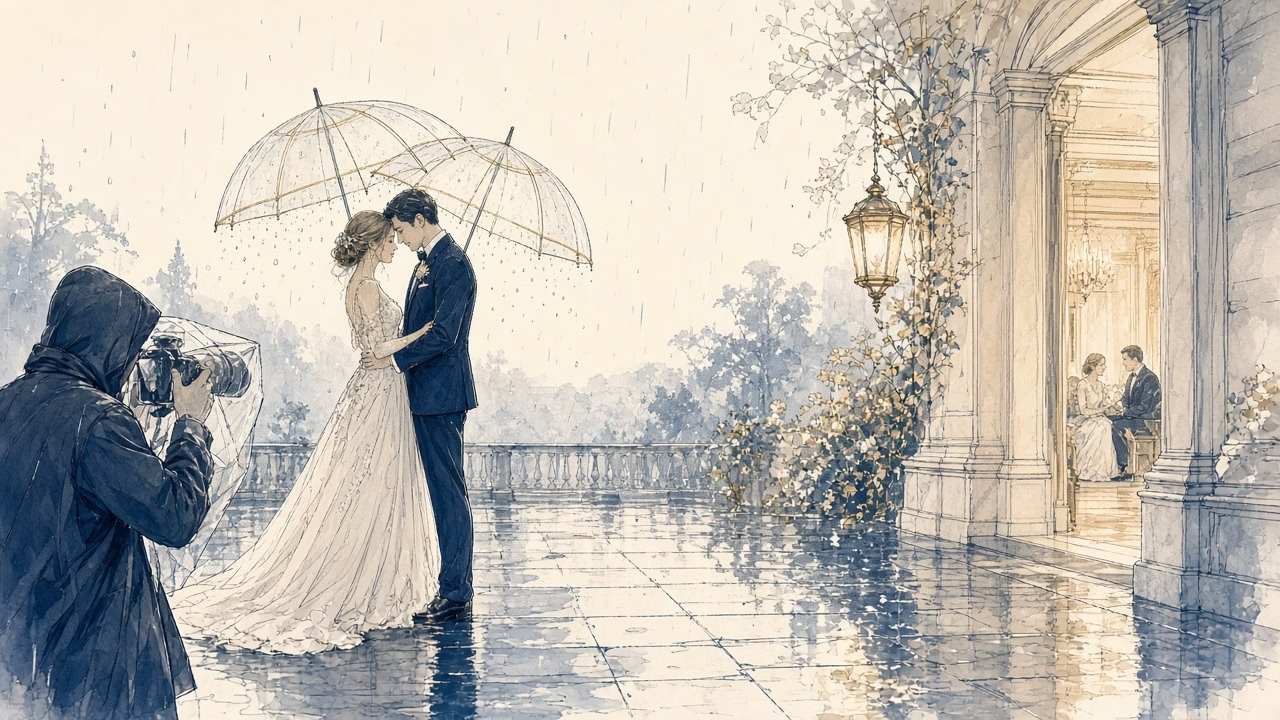
Rain on a wedding day changes the schedule, but it does not dictate one photographic solution. It can lead to indoor portraits, short sessions beneath cover, or images built around reflections, provided each option is safe and acceptable to the couple. No photographer can guarantee the weather, a particular rainfall intensity, or a predetermined visual effect. What can be organised is a realistic Plan B covering space, timing, equipment, decision points, and personal limits.
Build Plan B before the forecast appears
Do not wait until the previous evening to search for shelter. Ask the ceremony and reception venues which rooms, arcades, entrances, covered terraces, or window areas may be used for photographs. Check capacity, light, access, opening times, and permission. A small interior may suit couple portraits but not an extended family group. Decide who authorises a schedule change and at what point, so guests and transport are not left waiting for conflicting instructions. Share the backup location with the planner or a trusted contact before the day.
Use short weather windows intelligently
A forecast communicates probabilities and areas, not the exact condition in every minute. A flexible timeline can allow a brief outdoor session when rain eases without making the whole portrait plan depend on that pause. Keep essential participants informed and shorten the outdoor shot list. Five organised minutes can achieve more than half an hour of uncertain waiting. If lightning, strong wind, flooding, or venue guidance creates danger, abandon the outdoor idea. A photograph is never worth exposing guests or suppliers to an avoidable hazard.
Choose umbrellas for function as well as appearance
Large, stable umbrellas in neutral or clear material can protect faces and clothing. Test whether two people fit, whether the mechanism opens smoothly, and whether coloured fabric casts an unwanted tone on skin. Provide separate umbrellas for family movement instead of sending the one portrait umbrella around the venue. In gusting wind, any umbrella can become unstable or cause injury; fixed cover is the safer option. Assigning a helper to close and store wet umbrellas also keeps slippery water away from interior entrances.
Reflections and after-dark lighting
Wet ground can reflect illuminated buildings, signs, streetlights, or the couple. After sunset, off-camera flash or continuous light may reveal falling drops and separate people from a dark background. Such frames require a suitable position, control of nearby movement, and clear cooperation. They cannot be made safely on every pavement or road. The outcome changes with rain direction, intensity, wind, available depth, and the couple’s willingness to step outside. Treat the idea as an option, not a promised signature shot.
Protect equipment without risking people
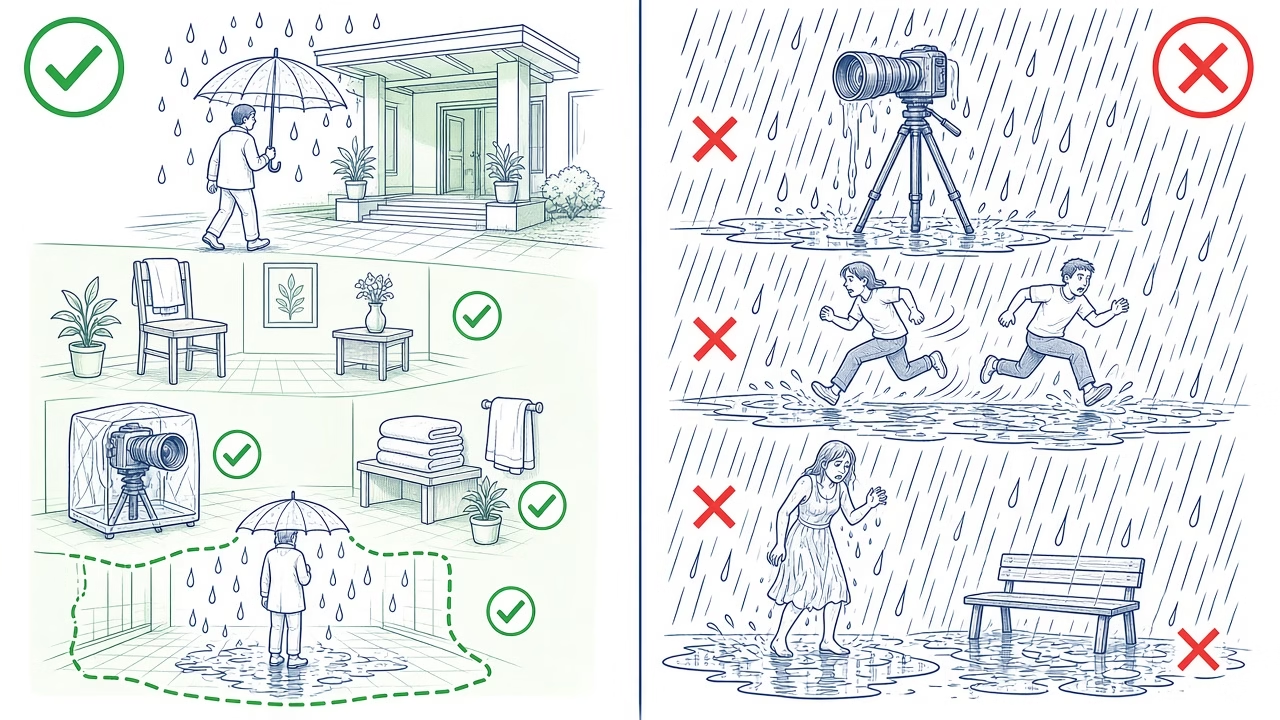
Camera rain covers, microfibre cloths, spare batteries, and a dry bag help the photographer continue. Equipment protection does not make a slippery staircase, exposed shoreline, or flooded path safe. Lighting cables must stay clear of water and walking routes, while stands require appropriate weighting and supervision. Time for drying a lens and moving gear needs to be included in the schedule. Human safety takes priority over an effect, and a professional may stop using equipment if water or wind exceeds the manufacturer’s practical protection.
Wet surfaces, footwear, and movement
Marble, wooden decks, metal ramps, stones, painted lines, and fallen leaves can become extremely slippery. Choose short routes, avoid running or demanding poses, and use practical shoes for transit when possible. A helper can manage a train or inspect the ground without rushing the couple. Towels, spare footwear, a change of socks, and a protective vehicle cover are small preparations that reduce discomfort. Allow extra stopping distance for cars and do not ask a driver to wait in a location that blocks access.
Clothing, hair, and realistic expectations
Discuss how much moisture you are comfortable accepting. One couple may want to avoid every drop before the ceremony; another may welcome a brief night portrait after formal appearances are finished. A hair or makeup professional can recommend products and a compact touch-up kit, but cannot guarantee that styling remains unchanged outdoors. Schedule a few minutes for drying, changing shoes, and checking fabric. Honest photography does not require you to ignore comfort, temperature, or the condition of clothing you intend to keep.
Consent applies whenever conditions change
A photographer may suggest a rain portrait, but the couple decides whether to participate. Consent should be checked again if wind strengthens, temperatures fall, darkness increases, or the ground changes. Older relatives, children, and people with mobility needs should receive a covered alternative without pressure. Record your main preferences during planning and specify which family groups must be photographed indoors regardless of weather. A clear “no” should redirect the creative plan, not begin a debate on the wedding day.
Frequently asked questions
Can anyone guarantee wedding portraits in the rain?
No. Rainfall, wind, access, and safe conditions cannot be controlled. A plan can be prepared and used only if the actual situation makes it responsible.
What belongs in a rainy-day Plan B?
Include a covered location, usage permission, travel time, essential shot list, umbrellas, lighting approach, accessible routes, and the named person who approves schedule changes.
Are clear umbrellas always the best choice?
They can transmit light and appear visually discreet, but size, strength, glare, and wind still matter. No handheld umbrella should be used in dangerous gusts.
How are raindrops visible in a night portrait?
A light is often placed behind or beside the couple. Its exact position depends on the site and must avoid water, public traffic, unstable stands, and glare.
Can we pose on a wet road for reflections?
Only in a legal, controlled, and genuinely safe area. Never enter active traffic for a reflection or ignore instructions from venue staff and local authorities.
How can clothing be protected?
Use short routes, shelter, train assistance, spare shoes, towels, and recovery time. Complete protection from moisture cannot be promised during an outdoor rain session.
What happens to family group photographs?
Reserve a sufficiently large indoor or covered location and organise group combinations beforehand. This prevents children and older relatives from waiting outside for a weather change.
Is professional camera equipment waterproof?
Rain covers and careful handling reduce exposure, but do not eliminate risk. The photographer decides when equipment must be moved or shut down under worsening conditions.
Should the timeline include extra time?
A buffer helps with slower travel, drying, footwear changes, lighting moves, and reorganising groups. The useful amount depends on venue layout and distances, not a fixed formula.
Can we decline an outdoor photograph?
Absolutely. Consent, warmth, and comfort come first. Ask for an interior alternative or move couple portraits to another suitable point in the day’s schedule.
Follow us



Request a wedding quote online
Plan flexible wedding coverage
Explore the offers or contact us to discuss backup spaces, an adaptable timeline, and your comfort priorities.